Research from Real Kitchens Is Key to Stopping Food Waste
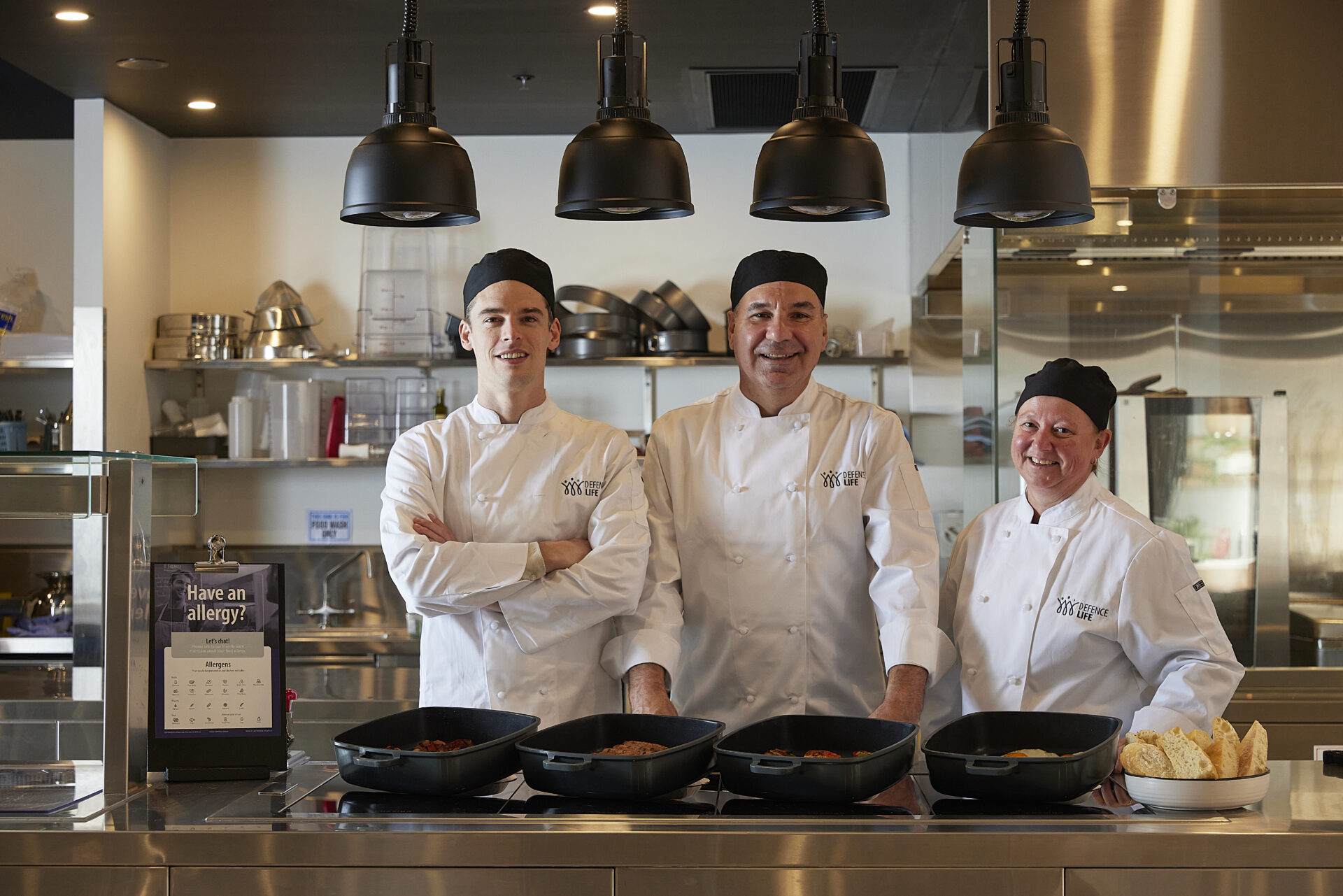
At Compass Group Australia (CGA), we’re committed to halving food waste by 2030, work that starts in real kitchens, with real teams, making real decisions every day. By embedding insights into our kitchen operations, our Culinary teams are empowered to make informed choices about what we serve, how we prepare it and how we maximise the value of every ingredient. This work aligns with the growing global commitment to reducing food waste, with 29 April 2026 marking the 10th anniversary of Stop Food Waste Day, a reminder of the momentum behind efforts to address this issue worldwide.
Learn more about our 10th anniversary of Stop Food Waste Day
Building Momentum Through Research and Collaboration
To build on this momentum, we’re excited to be partnering with social scientist Dr David Fechner and the University of Queensland Business School research team. Together, we’re combining real‑world kitchen data with behavioural science to better understand how food waste occurs in large‑scale commercial kitchens, and, critically, how it can be reduced.
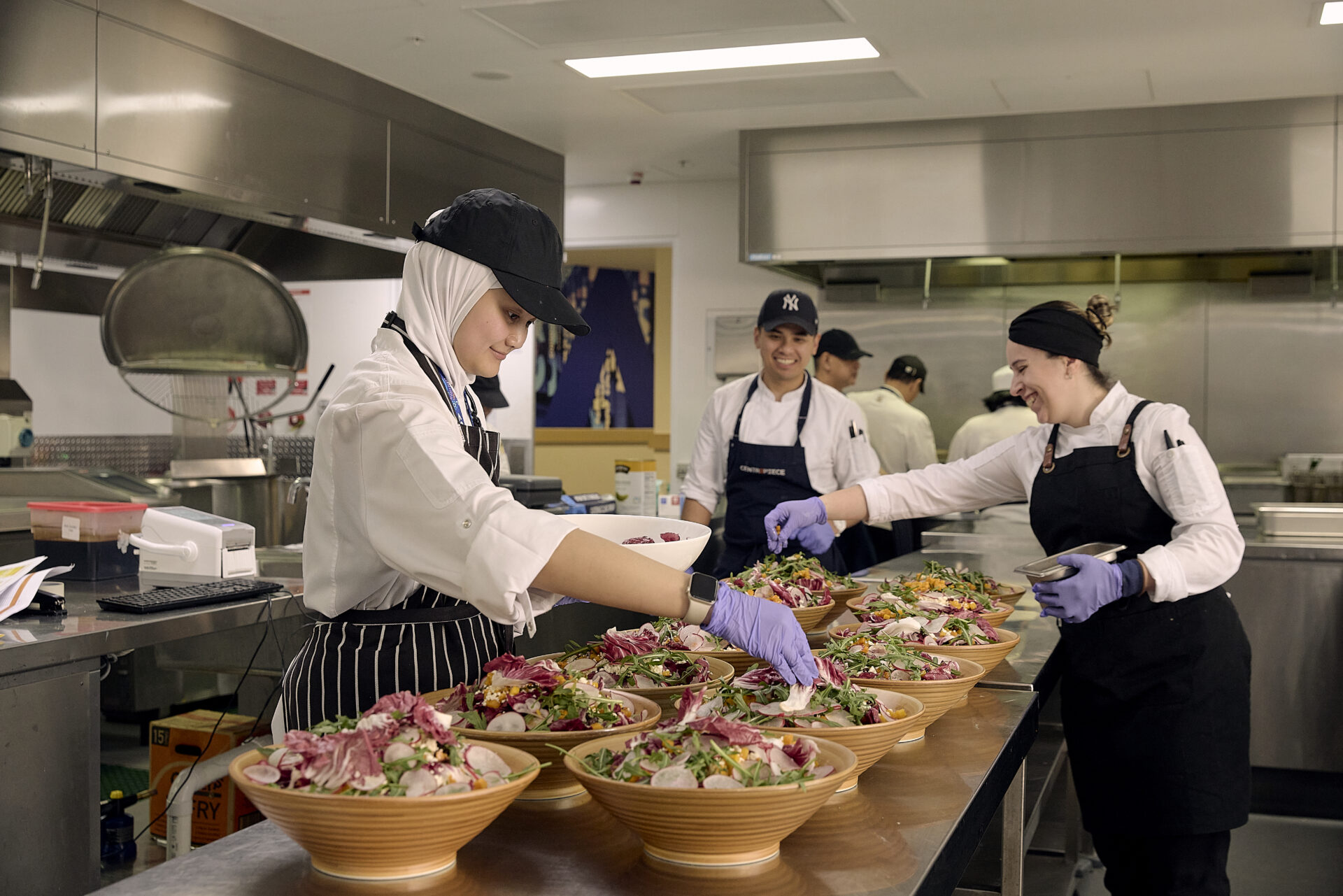
“We have had digital tracking technology at more than 200 of our sites across the country, so kitchen staff can document any food being thrown out as well as the reason for disposal,” shares Simon Jackson, Head of Sustainability.
“By making waste visible and measurable, our teams have reduced food waste last financial year by 42.7% from when we started in 2022.”

As a research partner, CGA will work closely with the UQ research team as they analyse four years of this data, unlocking deeper insights to support scalable, practical change across the food and support services industry.
Why Food Waste Matters Globally
Across the world, it is estimated that about a third of the food that we produce is being wasted. Food loss and waste accounts for 8-10% of annual greenhouse gas emissions, almost five times more than emissions from the aviation sector, according to Dr David Fechner.
“This is a huge environmental burden,” Dr Fechner shares. “Reducing food waste is one of the United Nations Sustainable Development Goals and a rare win-win – as well as cutting emissions, it cuts costs for the food-service industry and ultimately consumers.”
“We’re keen to examine how waste emerges in real kitchens and identify scalable actions that can deliver measurable results for the planet.”
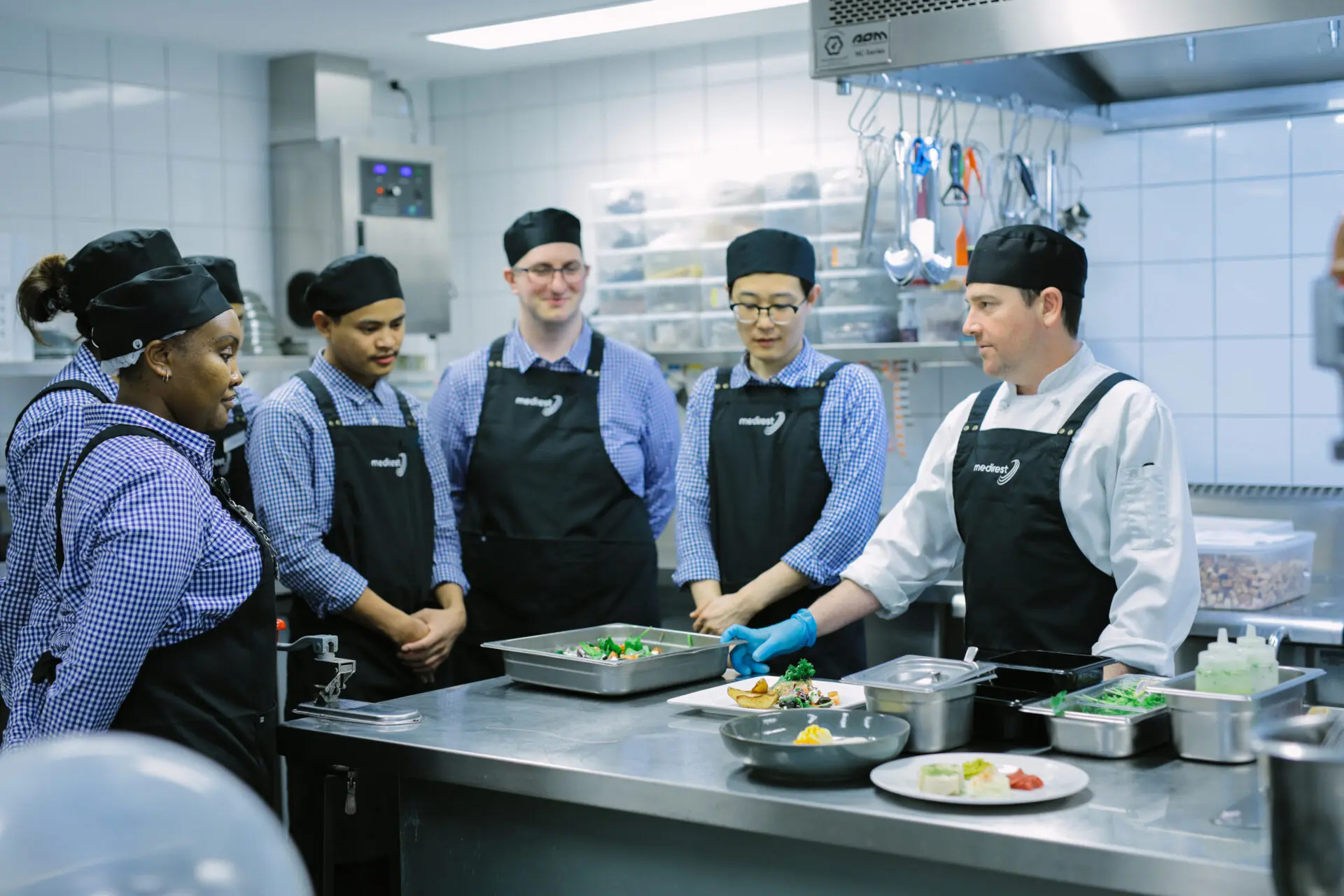
From a CGA perspective, we know that when food waste is made visible, the benefits extend beyond sustainability targets. “Making waste measurable has empowered our teams and clients to pinpoint inefficiencies and take action,” shares Simon.
“This culture shift makes the biggest difference. When teams can clearly see the impact of waste, they take pride in finding ways to reduce it. That sense of ownership, repeated day-after-day, is what drives lasting change.”